Gifts, Kade, and Exchange Rituals


Bayghazy: Blessings for the New and Young
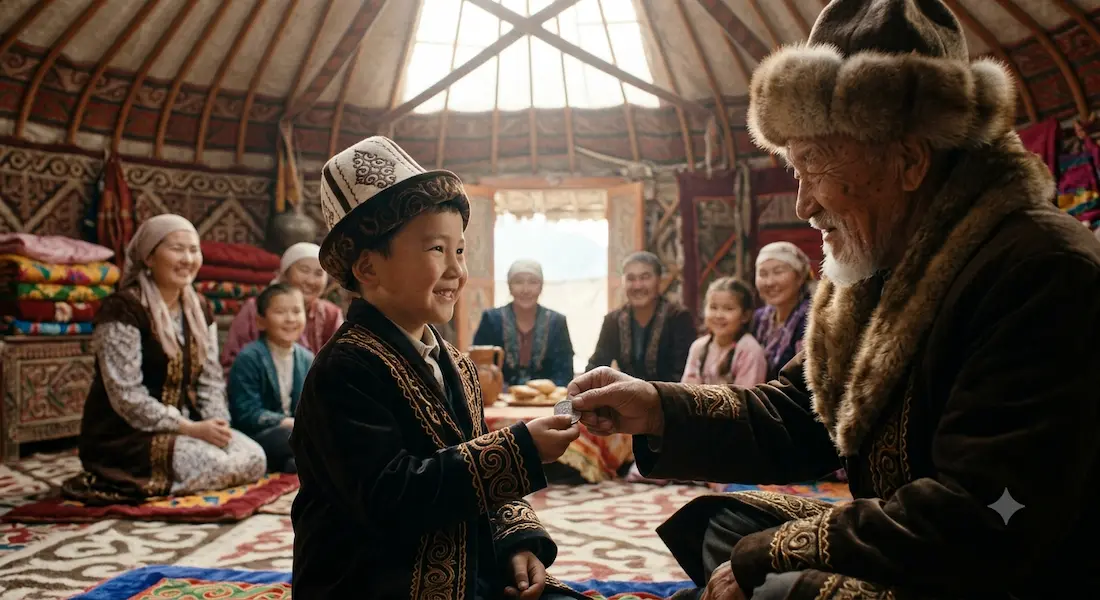
When someone acquires a major new possession—such as new clothes, or in modern times, a car or a motorcycle—family and friends give them a small cash gift or token called a Bayghazy. This gesture is accompanied by warm wishes for good fortune and prosperity. The custom is primarily directed toward children and young people to celebrate their milestones and share in their joy.
Bazarlyq: Souvenirs from the Road
A Kazakh traveler never returns from a long journey, vacation, or trading trip empty-handed. They bring back Bazarlyq—thoughtful, affordable gifts, tokens, or local treats—for their immediate family, close friends, and neighbors. It serves as a heartwarming sign that even when far away, the traveler kept their loved ones in mind.
Bawtaghar: The Hunter's Counter-Gift
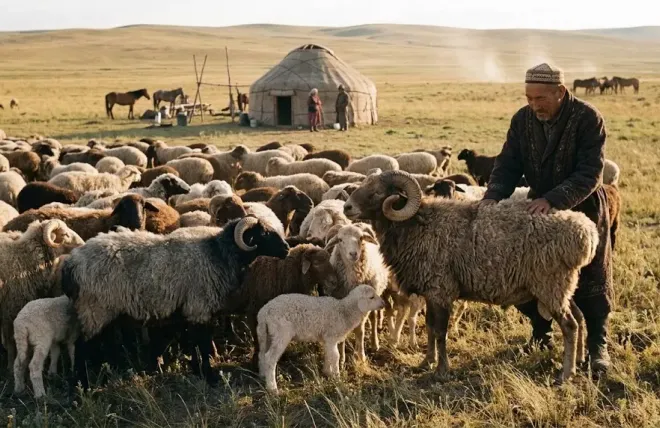
The elder or honored recipient who receives a pelt or game from a hunter is culturally obligated to immediately present the hunter with a reciprocal token, such as a piece of silver, cash, or a useful tool. This return gift is called a Bawtaghar. If the recipient fails to provide a Bawtaghar, the hunter is under no obligation to ever offer them game again. According to old nomadic beliefs, failing to return the gesture would cause the recipient to lose their own livestock to bad luck.
Kade: The Fabric of Steppe Etiquette
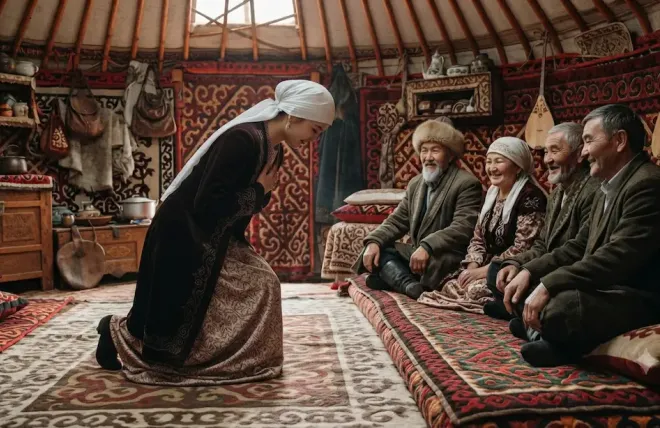
A Käde is an obligatory token, gift, or fee required at specific milestones during major celebrations, weddings, and games. Arriving at a family function without a Kade is viewed as a severe insult to the hosts and a total breach of etiquette. The traditional catalog of these gifts is immense:
- Wedding & In-Law Rituals: Toybastar (gifts for the person who sings the opening song), Korimdik (a gift to see the new bride's face), Shege Shapan (the "nail robe" gifted to cement a family alliance), and Sut Aqy (the milk-fee paid directly to the bride's mother for raising her).
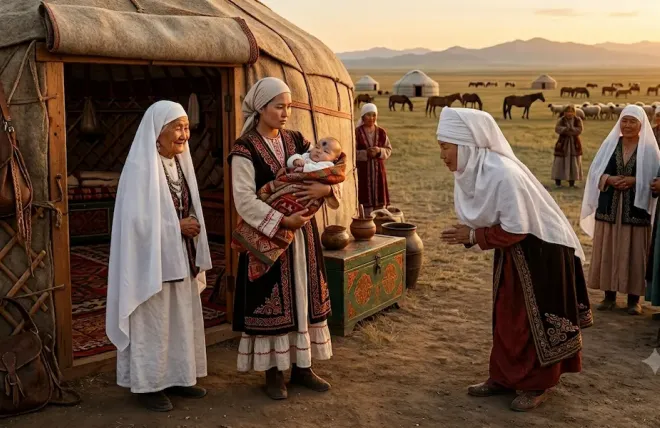
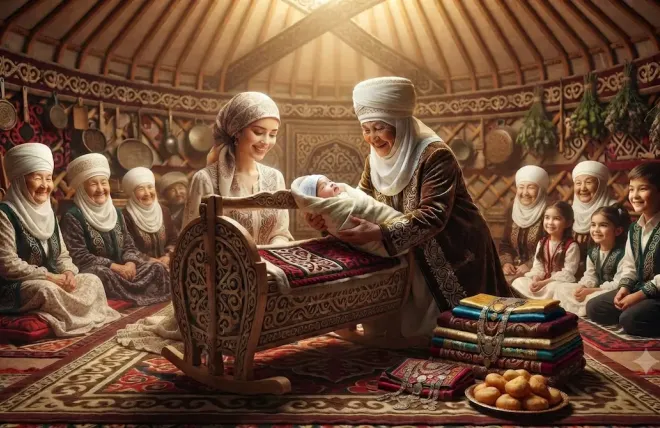
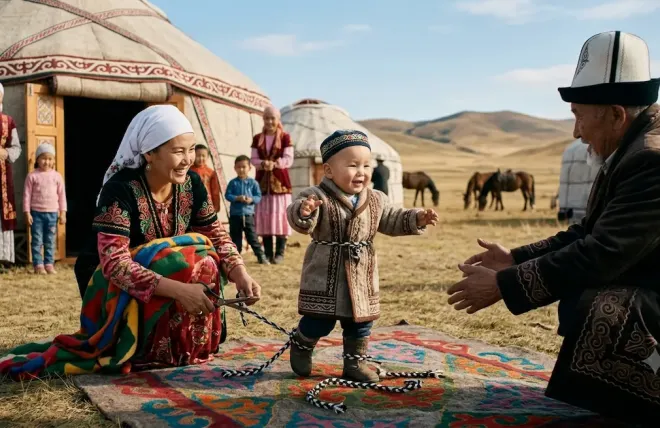
- Childbirth & Milestones: At Qoyu (the naming token), Kindik Kesw (the umbilical-cord cutting gift), and Tusaw Kesw (the toddler's first-steps rope-cutting fee).
- Funerary Rites: Sadaqa (charitable distributions) and Aruwlaw (cleansing tokens).
Korimdik vs. Bayghazy: Key Cultural Differences
While visitors often confuse these two gift-giving terms, they apply to completely different categories:
- Korimdik: Paid exclusively to look upon something living or natural for the first time—such as a newborn baby, a new daughter-in-law, or a prized pedigree horse. It expresses pure, unselfish joy and familial connection.
- Bayghazy: Paid exclusively when celebrating a tangible, manufactured object—such as a new coat, a vehicle, or a modern appliance.
Qalau: The Right of Admired Choice
If a guest spots an exceptional horse, a beautifully crafted weapon, or a rare item inside a host's yurt and feels a deep spiritual connection to it, they can invoke the custom of Qalau (The Request). They state their admiration and claim the item. Since the host cannot refuse a Qalau, etiquette dictates that the guest traditionally presents a high-value gift or reciprocal token in return to express profound gratitude and respect for the host's generosity.
Sarqyt: Sharing the Feast's Blessings
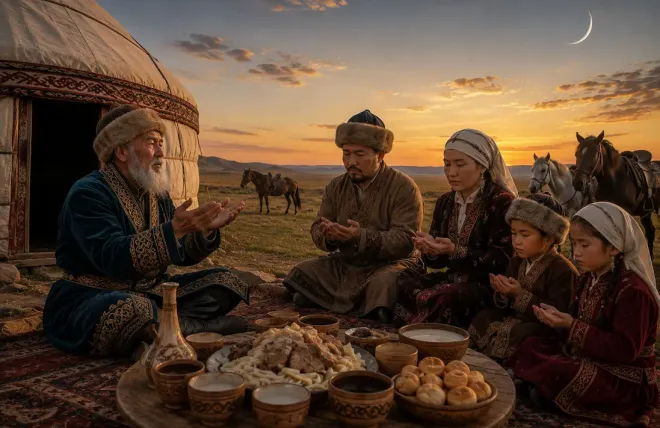
At the conclusion of a wedding, a memorial feast, or a holiday gathering, it is customary for attending women to gather the remaining treats, including traditional fried dough (Bawyrsaqs), sweets, and choice cuts of meat from the platters. These leftovers are wrapped up and brought home to their children and grandchildren as a special treat called Sarqyt. Culturally, this practice ensures that sacred celebratory food is never wasted while extending the joy of the feast to those who stayed behind.
Salemdeme: Tokens of Lifelong Friendship
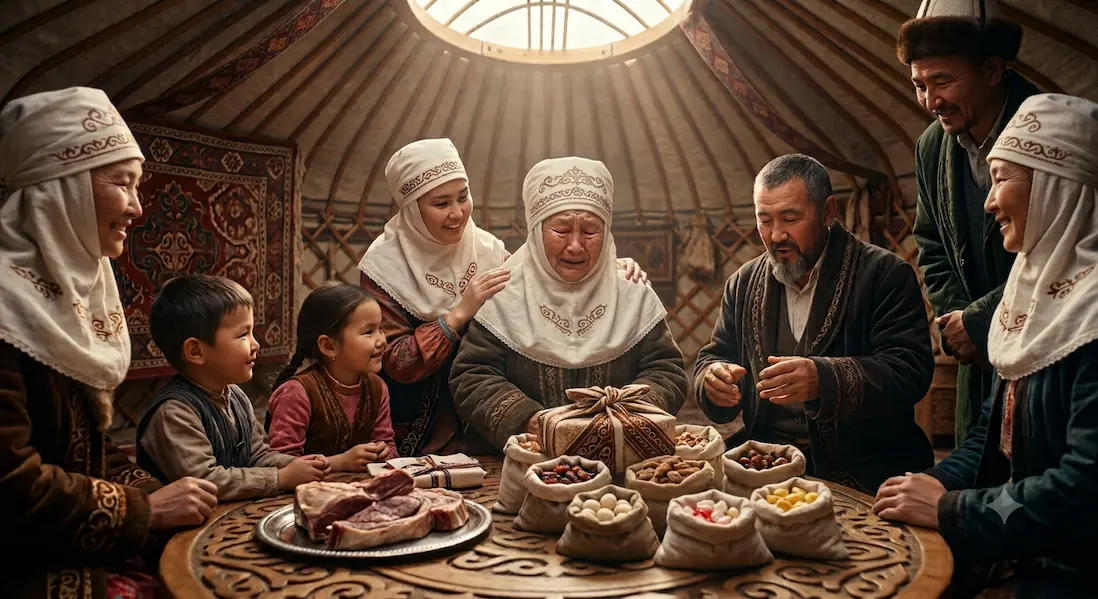
When close friends, relatives, or allies have been separated by long distances for an extended period, they maintain their bond by sending each other a Salemdeme (a care package or token of respect). These gifts range from precious jewelry and handcrafted souvenirs to prime cuts of preserved winter meat (Soghym), always accompanied by warm, heartfelt letters. Upon receiving a Salemdeme, the recipient offers powerful blessings of gratitude and traditionally shares the contents with their immediate neighbors to spread the goodwill.
Suyinshi: The Herald's Reward
When someone carries exceptionally joyful or historic news—such as the birth of a child, a victory in battle, or the return of a missing herd—they dash into the village loudly shouting "Suyinshi!" Hearing this word, the community instantly knows that good news has arrived. The bearer of the news is traditionally told, "Take whatever your heart desires!" and is rewarded with a valuable gift, cash, or a prize horse as an expression of shared happiness.
Tabarik: Sharing the Bounty
When a person wins a grand prize at a horse race or receives premium gifts during an in-law negotiation, onlookers have the right to request a Tabarik (a small fragment of the fortune). The winner is expected to divide their rewards and distribute small pieces, coins, or fabrics to the crowd. Refusing to share a Tabarik is viewed as greedy and a violation of custom, often resulting in public mockery and social exclusion.
Zhyrtys: The Fabric Ritual
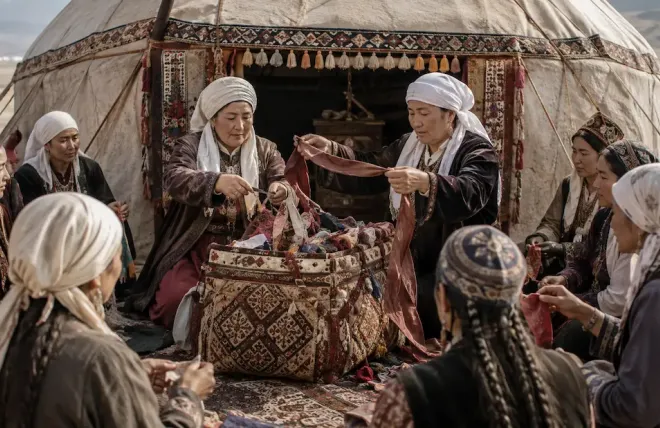
Zhyrtys is a specialized ritual of sharing textile wealth, practiced exclusively among women. During a wedding, a beautifully embroidered double-saddlebag (Qorzhyn) packed with gifts is presented. When the bag is formally opened, the large sheets of fine fabric tied to its handles are unraveled and ritually torn (Zhyrtu) into smaller strips so that every woman present receives a piece. This custom is also practiced during Qudayi (remembrance feasts) or the funerals of individuals who lived exceptionally long, prosperous, and honorable lives, allowing attendees to take home a physical fragment of that person’s good fortune.