Kazakh Folk Beliefs and Superstitions


Ak Kuiyp Shygaru: Ritual Pouring and Unexpected Diplomacy
Because dairy products are considered sacred in Kazakh culture, spilling them intentionally is normally strictly forbidden. However, exceptions were made under unique circumstances:
- During Wildfires: Dairy was ritually thrown into major fires to spiritually subdue the flames.
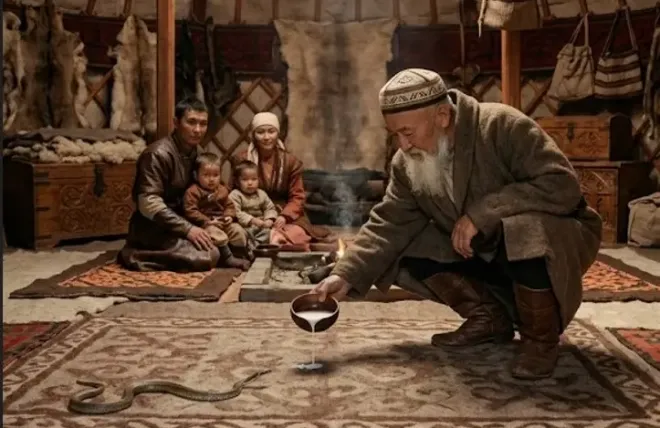
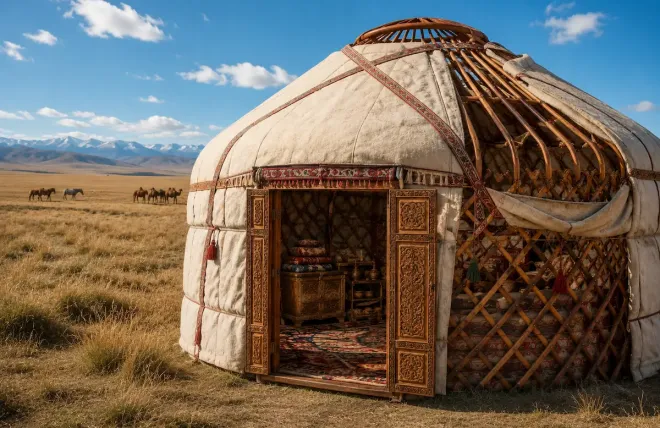
- Venomous Intruders: If a venomous snake slithered into a yurt (traditional nomadic tent), the hosts would not kill it inside. Instead, they carefully poured milk over its head—a ritual known as Ak Kuiyp Shygaru (pouring white milk to neutralize aggression)—and gently guided it back outside out of respect for nature.
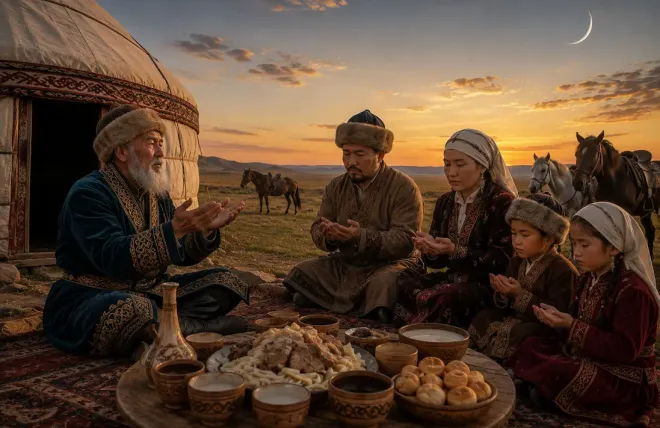
This philosophy extended to human interaction. If an enemy or rival entered a Kazakh yurt peacefully, the host was culturally obligated to serve them their finest kymyz (fermented mare's milk) or shubat (fermented camel's milk), setting aside geopolitical animosities in favor of absolute hospitality.
Ak Zhol: The Path of Fidelity
Ak Zhol (The White Path) was a traditional ritual used to test or honor a woman’s marital fidelity. Steppe mysticism held that if a woman was completely devoted and honest to her husband, her spirit possessed natural healing powers. If she stepped over a severely bedridden person three times, the patient would miraculously recover. A woman whose presence successfully broke a fever was revered as a spiritually gifted protector. This vivid tradition is famously detailed in Ilyas Esenberlin’s historical epic novel Kahari (Thunder).
Baylau and Bautaghar: The Hunter's Protocol
Steppe hunting was governed by strict etiquette designed to foster respect and prevent greed:
- Baylau (The Offering): Upon returning from a successful hunt, a tracker does not keep their first catch. Instead, they proudly present the pelt of the captured fox, wolf, or corsac fox to a respected village elder as an expression of generosity and deference to old age.
- Bautaghar (The Counter-Gift): The elder receiving the pelt is culturally obligated to immediately give the hunter a reciprocal token, such as a piece of silver, cash, or a useful tool. This return gift is called a Bautaghar.
If the recipient fails to provide a Bautaghar, the hunter is under no obligation to ever offer them game again. According to old nomadic superstitions, failing to return the gesture would cause the elder to lose their own livestock to bad luck.
Bal Basy: The Soothsayer’s Fee
In ancient times, the steppe relied on various spiritual guides, including fortune-tellers, kumalakshy (diviners who read stones), and zhabarynshy (readers of sheep shoulder blades). If a herder lost their livestock or valuables, they would consult a seer to predict where the items were hidden.
The voluntary fee paid for this spiritual service is called Bal Basy (the fortune-teller's fee). Clients paid according to their means. If a seeker was impoverished, the seer would perform the reading for free—doing it "for the sake of the Creator"—and accept a heartfelt blessing in return. If a seer greedily demanded a fixed sum of money or livestock upfront, the community generally ignored them as frauds.
Dert Koshiru: Ritual Transfer of Disease
Before the advent of modern medicine, nomadic healers practiced a spiritual ritual called Dert Koshiru (transferring the ailment) to cure severe illnesses in humans or livestock. The community and local youth would gather around the patient and rhythmically chant specialized poems and rhyming incantations, shouting "Kosh, kosh!" ("Move, migrate!").
The songs explicitly commanded the disease to leave the host's body and migrate into harmless targets, chanting: "Move to the enemy, move to the rushing waters, dissolve into the storm clouds!" This ritual was particularly common when fighting mysterious skin diseases, though today it has been entirely replaced by modern healthcare.
Koz Tiyu: Protecting Against the Evil Eye
Nomadic communities firmly believed in the destructive power of envy, known as Koz Tiyu (the Evil Eye). Beautiful young girls, swift racing stallions, and innocent babies were considered highly vulnerable to this spiritual harm:
- To safeguard a champion racehorse, owners would deliberately hide it from public view until the race began.
- To protect a beautiful baby, mothers would rub a smudge of kuye (soot) onto the child’s forehead to disrupt its perfect appearance.
- If a stranger looked too intensely at a child or a new bride, the family would firmly command them to spit toward the ground, whispering protective phrases like "Toba-toba" (Repent, repent) or "Til gozim tasqa" (May the envious tongue and eye strike a stone).
Koryktyk Kuiyu: Pouring Out the Fright
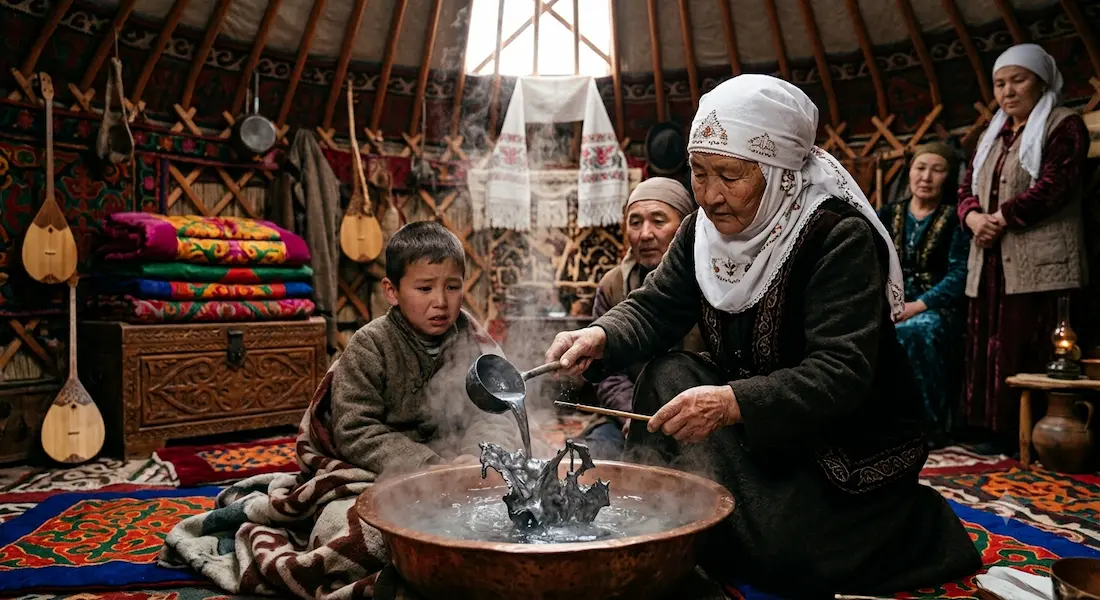
If a child or an adult suffered a severe emotional shock, panic attack, or mysterious trauma, traditional elders performed a psychological ritual called Koryktyk Kuiyu (pouring out the fright).
A basin of cold water was held directly over the patient's head, and the healer poured molten lead into the water. As the liquid metal instantly hardened, it formed an abstract, jagged shape. The healer would analyze this lead sculpture to diagnose exactly what caused the trauma—such as the shape of a lunging dog, a snake, or a falling branch. Identifying the root of the fear was believed to instantly cure the patient's anxiety.
Kumalak Salu: Divination by the Forty-One Stones
Kumalak Salu (casting forty-one stones) is an ancient system of divination used to predict future events, weather patterns, or the location of lost items. The ritual requires exactly 41 individual casting pieces.
Diviners typically used dried date pits, wild apricot stones, or clean sheep droppings—known as kumalak—though goat droppings were strictly forbidden due to spiritual taboos. True seers mastered the intricate numerical layouts and hidden meanings of these stones, a spiritual practice that continues to endure in modern times.
Shomish Kagu: Welcoming the Spring Thunder
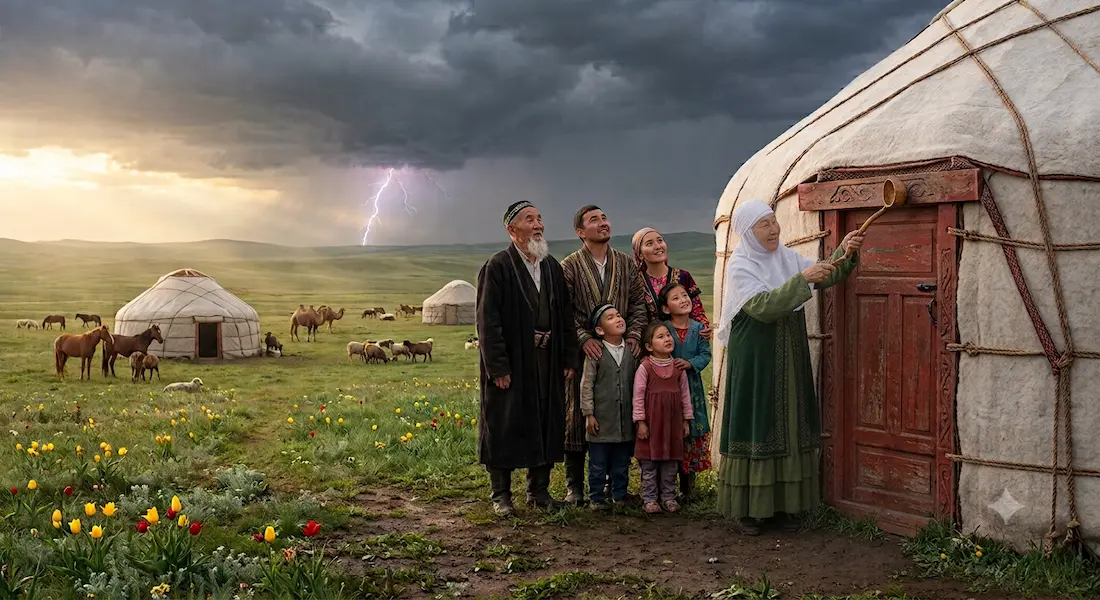
As winter snows melt and the first spring thunderstorms roll across the plains in April, elders welcome the rain with a beautiful home ritual called Shomish Kagu (tapping the wooden ladle).
Families take a traditional shomish (wooden ladle) and tap it gently against the threshold and upper doorposts of the yurt, chanting: "May milk and yogurt be abundant! May hunger and misfortune stay far away! May our people remain content and joyful!" This custom serves as a cheerful welcome to the life-giving spring rain. By tradition, wild spring greens like wild onions and sorrel were only harvested after the first thunderclap had cleared the air.
Tize Bugu: The Courtesy of Bending the Knee
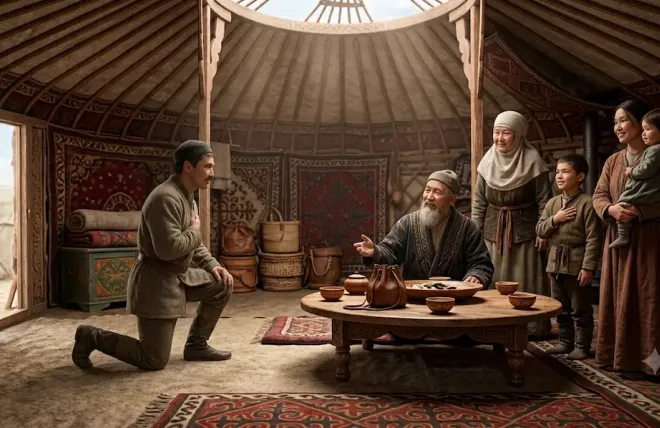
When entering a neighbor's yurt, even for a brief moment, a visitor is culturally required to bend their knee and sit down—a practice known as Tize Bugu (bending the knee). This simple gesture demonstrates respect for the home and the host.
Delivering a message while standing up is viewed as abrupt and rude. If a visitor forgets this etiquette, the host might playfully chide them, saying: "Why won't you bend your knee? Are you wishing for our cows to give birth while standing up?" This lighthearted reminder stems from an old nomadic omen that if a human refuses to sit, the household's livestock will struggle during labor.
Tus Zhoru: The Art of Dream Interpretation
If a person wakes up from a deeply pleasant or inspiring dream, they offer a prayer of gratitude, saying: "O Creator, let this goodness manifest in my waking life."
Because dreams are viewed as important omens, families often consult an insightful tus zhorushy (dream interpreter). Even if a person experiences a troubling or confusing nightmare, traditional interpreters make a conscious effort to find a positive angle, framing it as a constructive message to bring peace of mind to the dreamer.
Tyiym: Nomadic Taboos and Daily Prohibitions
Kazakh culture includes a variety of practical and symbolic daily prohibitions, known as Tyiym (customary taboos), designed to maintain order, safety, and respect:
- The Threshold: Never step directly on a yurt's tabaldyryk (wooden threshold), as it symbolizes the boundary of the home's security.
- The Doorposts: Never lean heavily against the bosaga (doorposts), which is historically associated with grief or mourning.
- Sharp Gifts: Avoid giving knives or dogs as direct gifts to close friends without a symbolic exchange of a small coin; otherwise, it is believed the relationship might turn sour.
- Whistling Indoors: Whistling inside a home is strictly forbidden, as it is traditionally believed to sweep away the household's wealth and good fortune.
- Respect for Age: Never cross the physical path of an elder; always pause and allow them to pass first out of respect.
Yrym: Daily Expressions of Hope and Aspiration
The daily lives of the Kazakh people are filled with positive omens and symbolic practices called Yrym (good omens or affirmative customs).
For instance, parents often name newborns after respected national figures—such as Abai, Saken, Baurzhan, Fariza, or Mukhtar—in the hope that the child will inherit their noble qualities. Similarly, elders pass sweets from a wedding table down to children to share the good fortune, and young people gladly accept clothing items from healthy centenarians as a physical wish for a long life. These daily gestures reflect a deep optimism and a constant focus on encouraging good fortune within the family.
Zhiyen Kuryk: The Grandchild’s Birthright
A child born to a daughter of the clan is known as a Zhiyen (maternal grandchild). In Kazakh family law, a Zhiyen possesses a fascinating, protected birthright called Zhiyen Kuryk (the grandchild's entitlement).
Whenever the grandchild visits their nagashy zhurt (maternal relatives' village), they are legally entitled to claim any three items or animals they desire from their maternal uncles. The uncles are forbidden from denying these requests or showing anger. A Zhiyen must never be offended or sent away empty-handed; according to steppe lore, if an uncle refuses to honor the Zhiyen Kuryk, their remaining herds will succumb to disease.