The Maternal Kin & Kazakh Kinship Terminology


Understanding the Maternal Side in Kazakh Kinship
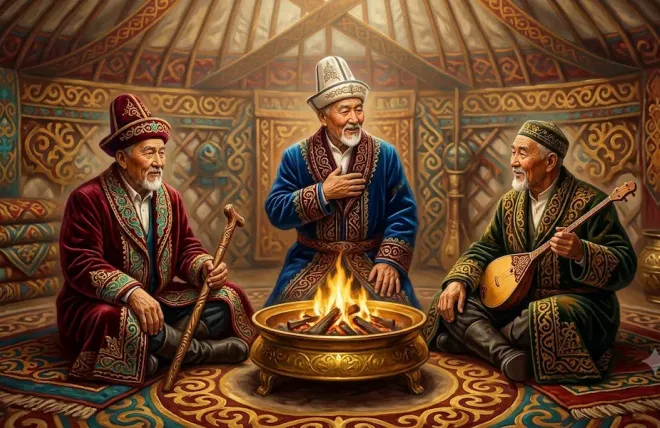
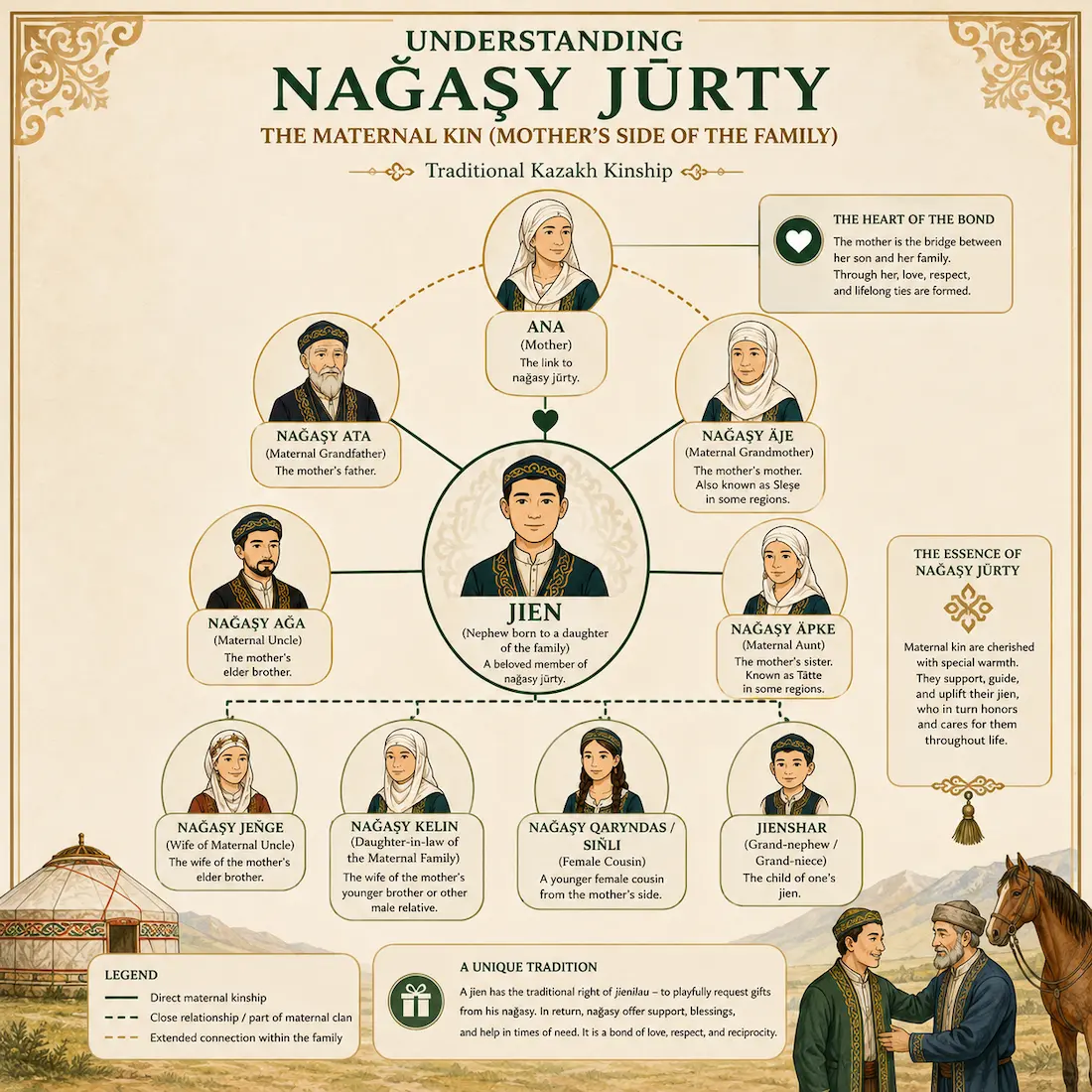
Nagashy zhurt (Maternal kin): The mother's side of the family, including her parents, siblings, and extended relatives. In Kazakh tradition, the maternal family is regarded with exceptional warmth, affection, and respect.
Tuystyk ataular (Kinship terminology): The traditional system of kinship terms used to define family relationships, social roles, and etiquette within Kazakh society.
The Special Bond: Criticism, Warmth, and Affectionate Banter
A traditional Kazakh saying perfectly captures the unique role of the maternal family:
"Your maternal relatives are your harshest critics; they rejoice in your virtues, grieve over your flaws, and forever remain your most devoted well-wishers."
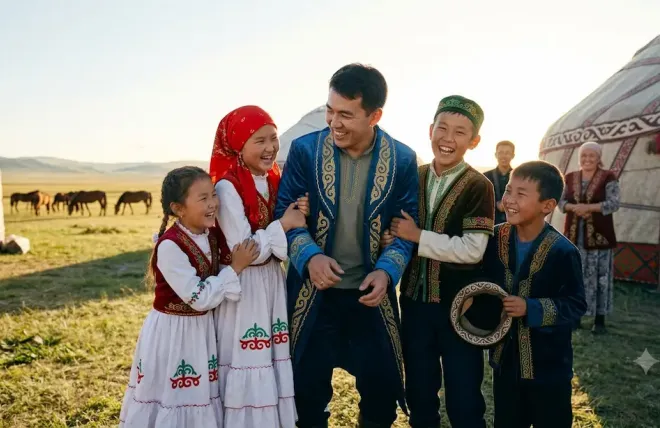
A person's maternal relatives are called their nagashy, while they are their relatives' zhien (nephew/niece born to a daughter of the family).
The maternal family never turns its zhien away. Instead, they embrace them with affection, reflecting another traditional belief:
"A child born of one's daughter is never a stranger."
At the same time, Kazakh folklore preserves a playful proverb:
"A nephew is not of the same clan, just as the nape of the neck is not a proper meal."
(Zhien el bolmas, zheke et bolmas)
A quick-witted zhien might answer: "A nephew becomes his own clan if he has wealth, and the nape becomes a hearty meal when it is rich with fat." (Zhien mal bolsa el bolar, zheke may bolsa et bolar)
The Tradition of Zhien Kuryk Serper & Zhienilau
These humorous exchanges are never meant to create distance; instead, they reflect warmth, intimacy, and a playful spirit. The teasing encourages a young person to develop dignity, confidence, and independence. Rather than feeling offended, a zhien is expected to respond with wit and good humor.
Zhienilau (The Right to Request Gifts): A zhien who enjoys a close relationship with their maternal relatives traditionally has the privilege of requesting gifts. They may playfully ask their nagashy for livestock, horses, clothing, or other valuable possessions.
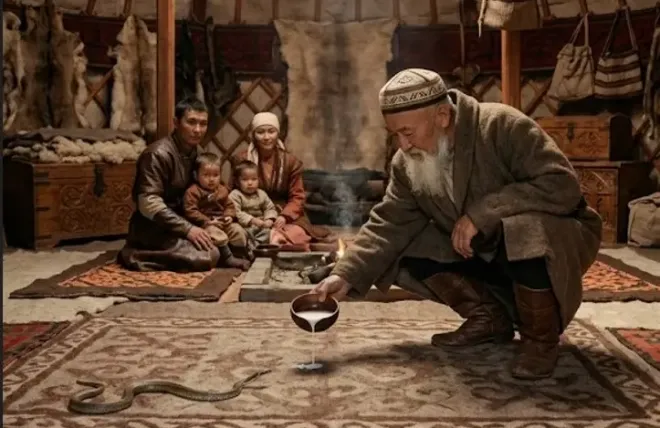
Support and Blessing: The nagashy rarely refuse such requests. Historically, maternal uncles often helped their nephews begin adult life by contributing livestock, assisting with marriage expenses, or providing a kiiz ui (yurt).
Mutual Care: The relationship is built on mutual responsibility. If the maternal family later falls into hardship while the nephew prospers, he is expected to support them in return.
An Eternal Blood Connection
The relationship between a mother's family and her child extends far beyond material gifts. Wealth may come and go, but the bond of blood remains permanent. A person who honors their mother naturally respects her relatives, seeing them as an inseparable part of their identity. Likewise, the maternal family cherishes their zhien as one of their own children, surrounding them with lifelong affection, guidance, and care.
Kazakh Kinship Glossary (Tuystyk Ataular)
Mother's Immediate Family
- Nagashy zhurt (Maternal kin / Maternal clan)
The maternal branch of a person's family.
- Nagashy ata (Maternal grandfather)
The mother's father.
- Nagashy azhe (Maternal grandmother)
The mother's mother (also called Sheshe or Anasynyn anasy in some regions).
- Nagashy aga (Elder maternal uncle)
The mother's elder brother.
- Nagashy ini (Younger maternal uncle)
The mother's younger brother.
- Nagashy apke (Maternal aunt)
The mother's sister (also called Tatte in some regions).
In-Laws & Cousins on the Maternal Side
- Nagashy zhenge (Wife of an elder maternal uncle)
The wife of the mother's elder brother.
- Nagashy kelin (Daughter-in-law of the maternal family)
The wife of a younger maternal uncle or another male relative on the mother's side.
- Nagashy karyndas / sinli (Female maternal cousin)
A younger female cousin from the mother's side of the family.
- Zhien (Nephew or niece born to a daughter of the family)
A child born to a daughter, viewed from her paternal family's perspective.
- Zhienshar (Grand-nephew / Grand-niece)
The child of one's zhien.
Extended Kinship Terms
- Kuda-suek / Kuda-zheggat (Extended relatives by marriage)
A broad category encompassing relatives connected through marriage.
- Kabyrga agaiyn / Zhalpy agaiyn (Extended blood relatives)
Terms referring to more distant relatives within the wider family network.
- Nemere agaiyn (Paternal cousins)
Cousins who share the same paternal grandfather and belong to the oz zhurt (paternal lineage).